Digital Marketing
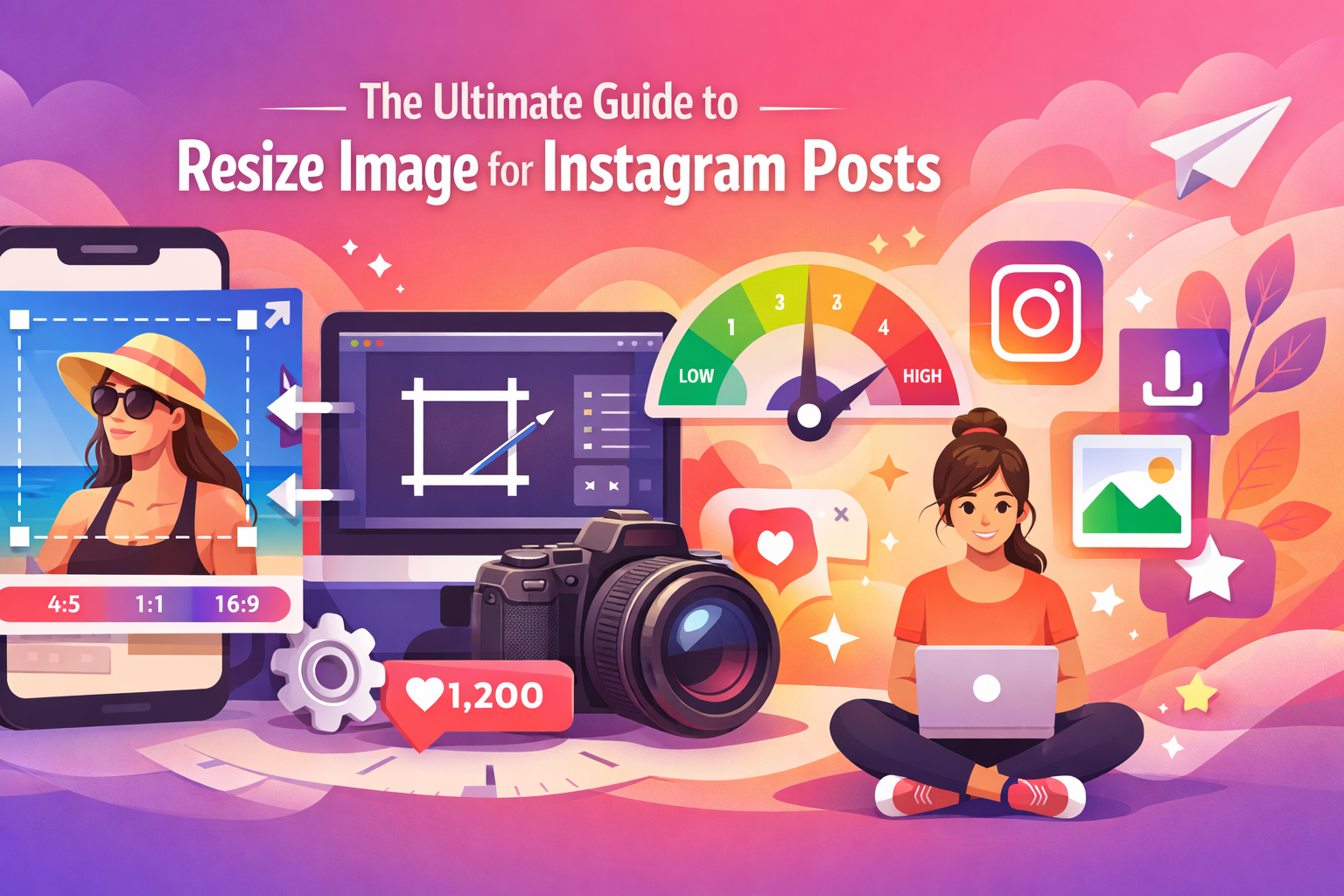
The Ultimate Guide to Resize Image for Instagram Posts
Struggling to resize your images for Instagram? Our comprehensive guide will walk you through the importance, process, and…
Sep 14, 2026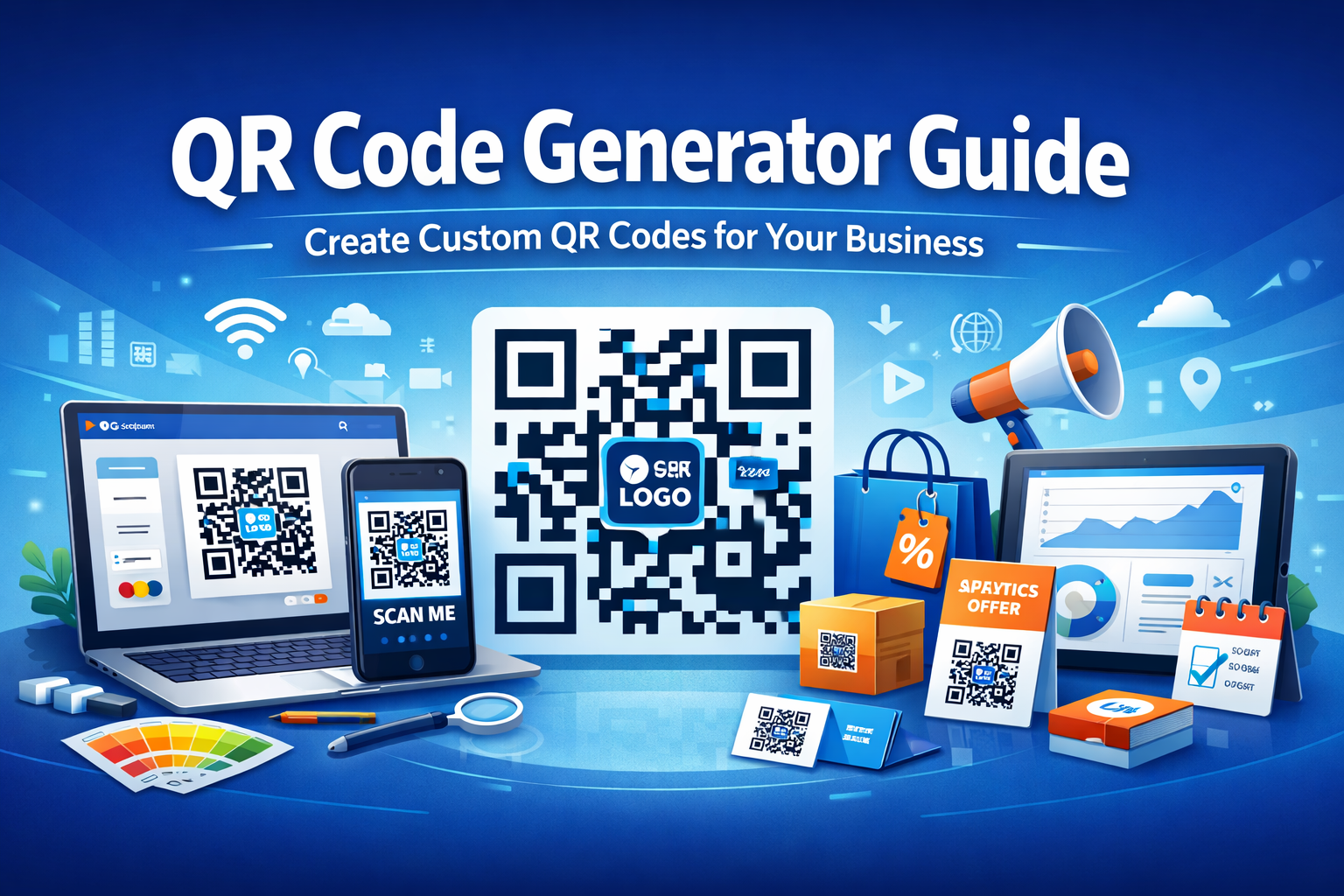
QR Code Generator Guide: Create Custom QR Codes for Your Business (2026)
Learn how to create powerful QR codes for your business using the best tools and strategies. Boost engagement, track performance,…
Sep 13, 2026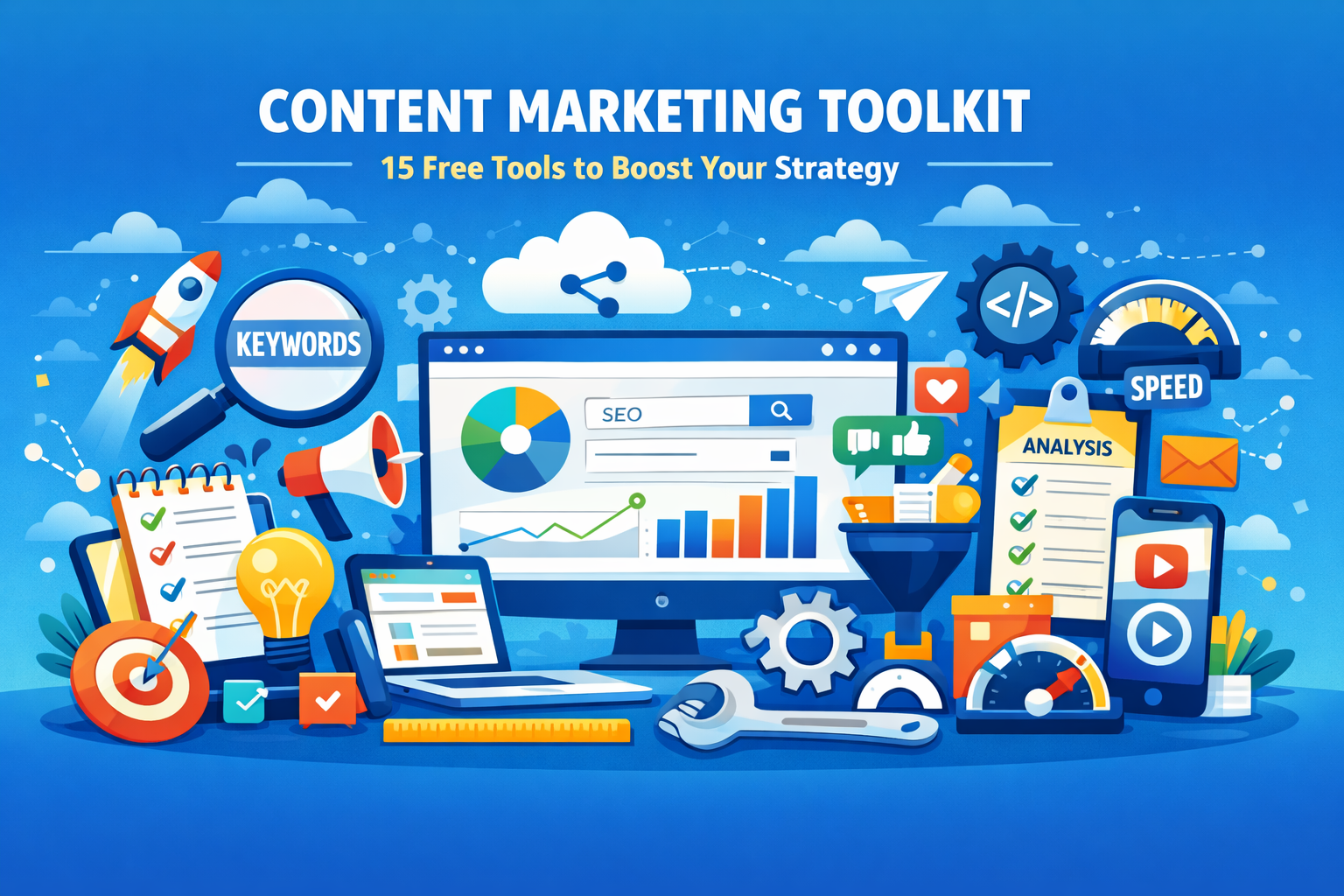
Content Marketing Toolkit: 15 Free Tools to Boost Your Strategy (2026 Guide)
Discover the best free content marketing tools to grow faster. Learn how to plan, create, optimize, and scale your content…
Sep 13, 2026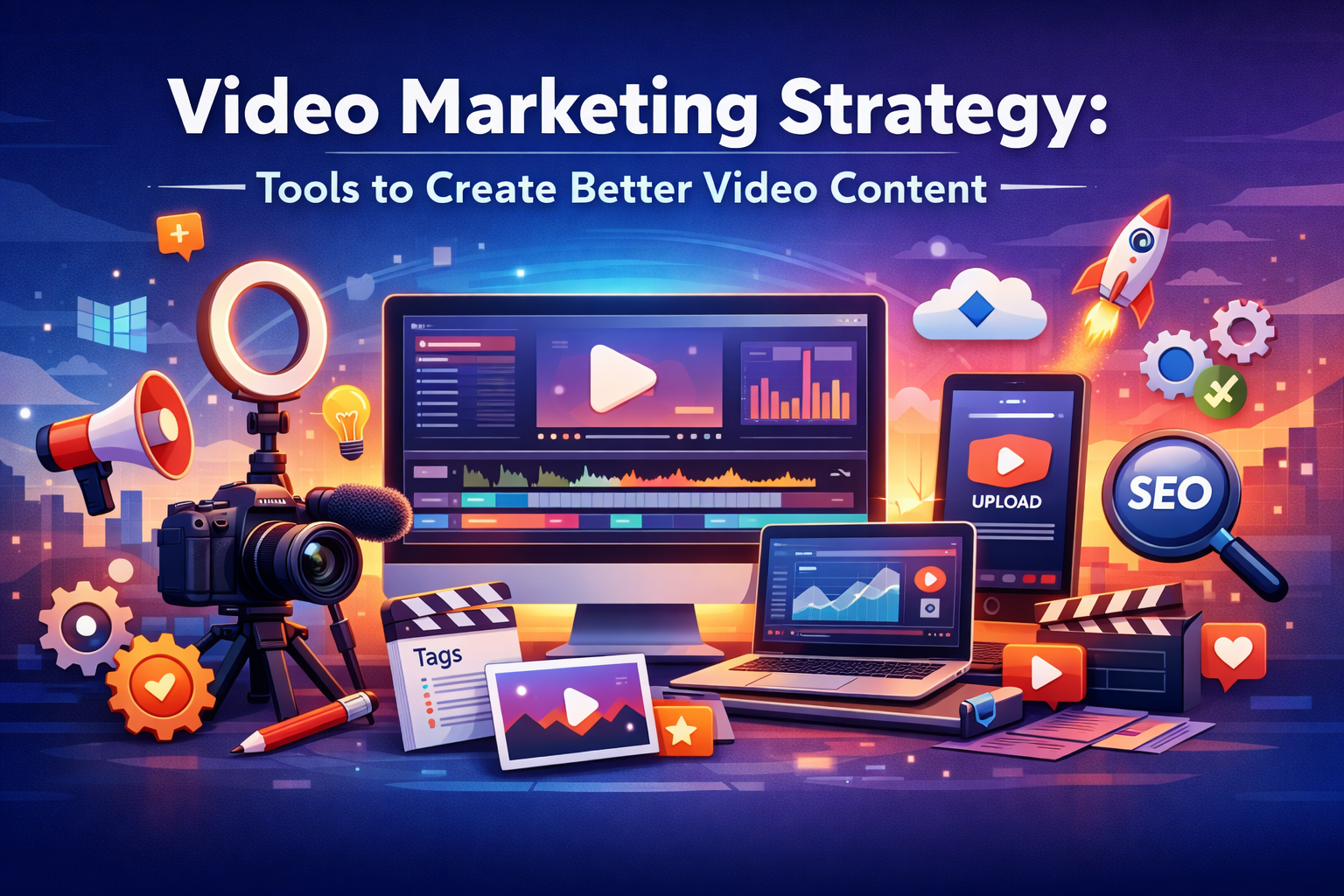
Video Marketing Strategy: Tools to Create Better Video Content (2026 Guide)
Learn how to build a powerful video marketing strategy using the right tools. Discover practical tips, tools, and techniques…
Sep 13, 2026About This Category
Digital Marketing Blogs
Digital marketing is at the heart of every successful online business today. Whether you run a website, blog, eCommerce store, or SaaS platform, understanding digital marketing can significantly improve your visibility, traffic, and conversions. This category is designed for beginners, marketers, developers, and business owners who want to grow online using proven strategies and practical tools.
Here, you will find in-depth guides, actionable tips, and expert insights covering everything from SEO and content marketing to social media growth and technical optimization. Our goal is simple: help you learn, implement, and scale your digital presence effectively using real-world strategies.
What You Will Learn in Digital Marketing
In this category, you will learn how to attract, engage, and convert users using modern digital marketing techniques. Topics include search engine optimization (SEO), keyword research, content creation, social media marketing, email campaigns, analytics, and performance tracking. You will also learn how to use powerful tools to improve website speed, optimize content, and enhance user experience.
Why Digital Marketing is Important
Digital marketing is essential because it allows businesses to reach a global audience at a lower cost compared to traditional marketing. It helps you target the right audience, measure performance in real-time, and optimize campaigns for better results. Whether you want to increase website traffic, generate leads, or boost sales, digital marketing gives you the control and flexibility to achieve your goals.
For example, using tools like the Keyword Suggestion Tool, you can discover high-ranking keywords and create content that attracts organic traffic.
Key Topics Covered
- Search Engine Optimization (SEO): Learn how to rank higher on Google using on-page and technical SEO techniques.
- Content Marketing: Create valuable content that engages users and builds authority.
- Social Media Marketing: Grow your audience and brand presence across platforms.
- Analytics & Performance: Track and optimize your campaigns using real data.
Latest Trends in Digital Marketing
Digital marketing is constantly evolving. Some of the latest trends include AI-powered content creation, voice search optimization, video marketing, and personalized user experiences. Marketers are also focusing more on Core Web Vitals and website performance, using tools like the Core Web Vitals Snapshot to improve rankings.
Best Tools for Digital Marketing
Using the right tools can make a huge difference in your marketing success. Here are some useful tools you can explore:
- Keyword Suggestion Tool for finding SEO keywords
- Meta Tag Generator to optimize your pages
- Website Speed Checker to improve performance
- Backlink Checker to analyze your link profile
Expert Tips & Strategies
Start with a clear strategy. Focus on one channel first, such as SEO or social media, and master it before expanding. Always create high-quality content that solves real problems. Use analytics to track what works and continuously optimize your approach. Consistency is key in digital marketing.
Common Mistakes to Avoid
Many beginners make the mistake of chasing quick results instead of building a long-term strategy. Avoid keyword stuffing, ignoring mobile optimization, and neglecting user experience. Also, don’t rely on just one traffic source—diversify your marketing channels.
How to Get Started
If you are new to digital marketing, start by learning the basics of SEO and content creation. Create a simple website or blog and begin publishing useful content. Use tools to analyze performance and improve your strategy over time. Gradually explore advanced topics like paid ads and automation.
Explore Related Articles
To deepen your understanding, check out these helpful guides:
- Content Marketing Toolkit: 15 Free Tools to Boost Your Strategy
- 10 Free SEO Tools Every Website Owner Should Use
Conclusion
Digital marketing is not just a skill—it’s a powerful tool for growth. With the right knowledge and tools, you can build a strong online presence, attract more visitors, and achieve your business goals. This category will guide you step by step, helping you stay updated and ahead of the competition.
Try These Tools
Start improving your marketing today by using tools like the Keyword Suggestion Tool and Meta Tag Generator to optimize your content and boost your SEO performance.